
PBG 3 Question Interview with Shani Shavit "The Full Picture"

Updated: Aug 18
Tel Aviv-based musician Shani Shavit steps into the spotlight with her album "The Full Picture" that feels like the opening of a long-hidden songbook. A bassist, composer, arranger, producer, and songwriter with more than two decades of experience in Israel’s vibrant music scene, Shavit has spent years writing quietly while playing alongside some of the country’s most celebrated artists. Released November 21, 2024, her album gathers 20 years of songwriting into a versatile and emotionally rich collection shaped by magic, love, pain, memory, and craft. It is the sound of an artist finally bringing the songs from the drawer into the light.

1. The Full Picture is such a beautiful tapestry of songs spanning two decades, and yet the album feels so fresh and alive. When you finally opened up that drawer of old songs, did any of them reveal a side of yourself you hadn’t expected, or maybe even a new story waiting to be told?
I don't think they revealed anything i didn't expect. They were always there, some still evolving with me. A thing about my writing is that I write arrangements pretty much as part of the songs. The arrangement is built in in the songwriting for me. And it stays. It can evolve, but not disappear.
All songs tell stories, I believe. It was touching sometimes to revisit an old song that was written from a certain state of mind/heart, and find that it touches me anew, that the feeling is still there, living in the song. There's a certain hope along this feeling that the audience in time could feel it too, and a curiosity of how they would feel it, what it will awaken in them.
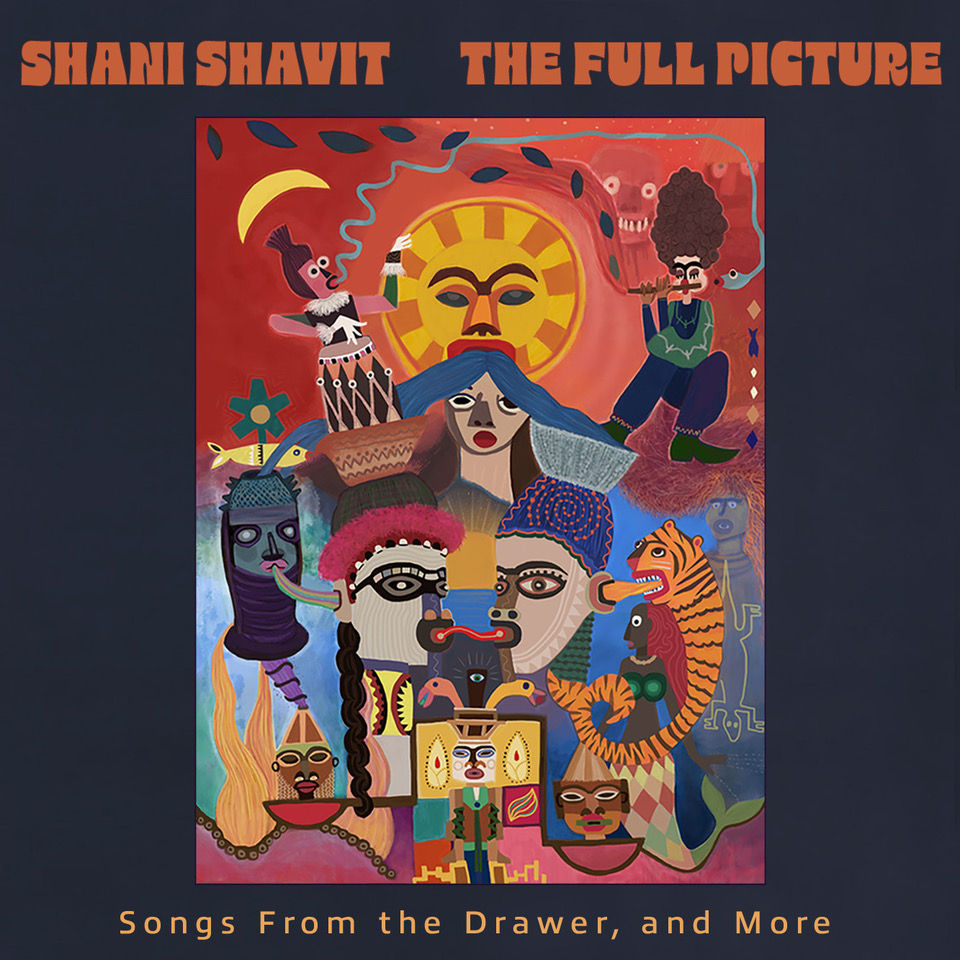
2. You recorded so much of this album in your own home studio, and I love how you described it as a safe space that let you create without limits. How did having that privacy shape what you felt comfortable sharing, especially on a track as raw and vulnerable as “RVN”?
I think it allowed exactly that, rawness. When grief occurs, and your studio is in the living room, you don't need to go out to the world to reach it, and put on filters for that matter. You can sit down in your pajamas, literally AND metaphorically, and let those feelings talk right through into your work. It was very therapeutic in several songs, RVN among them, where I allowed myself for the first time write and record about my deepest, most sensitive hurt, knowing people will actually hear it. In the safety of that space I created, I was able to do that, and that alone gave me something very big.
Another example is "Shamaim Kmo Hultza", which really was written from deep grief after my cat had died and another crisis occurred at the same period of time. The lyrics, the melody, came while I was still lying in bed. The ideas of arrangement were the ones who actually lifted me to go and start record. Again, it was right there I the living room, I didn't need to schedule a studio or work with other people. It was intimacy with myself that allowed these songs to be born.

3. There’s such a vibrant mix of cultures, languages, and musical friendships woven into this album, from Spanish and Yemeni flavors to that unmistakable New Orleans spark, and the energy of 27 different musicians. How did you bring all those worlds together and still keep the heart of the record so authentically you?
That I'm afraid I cannot answer. It's just who I am. I bring together all the things that I love and appreciate. That's how my heart goes. I'm very happy when I hear that people can still feel it's me all throughout the diversity, it gives me confirmation that it's real, perhaps. Who I am, what I feel.
Connect with Shani Shavit


Comments