
PBG 3 Question Interview with Liz Mann "Cinnamon" Single

Liz Mann, an indie synth-pop artist from Manchester, is back with her new single “Cinnamon.” The track blends dreamy synth sounds with modern pop, exploring how love can change us and shape who we are. Mann, who has been compared to Japanese Breakfast, Tame Impala, and The Japanese House, is gaining attention with sold-out shows and performances at Live at Leeds In The City and for Nudie Jeans. She has also received support from BBC Introducing, Radio X, Amazing Radio, and Apple Music’s New In Alternative playlist. With catchy melodies, a nostalgic feel, and smooth production, “Cinnamon” shows why Liz Mann is becoming one of the UK’s most promising indie-pop artists.
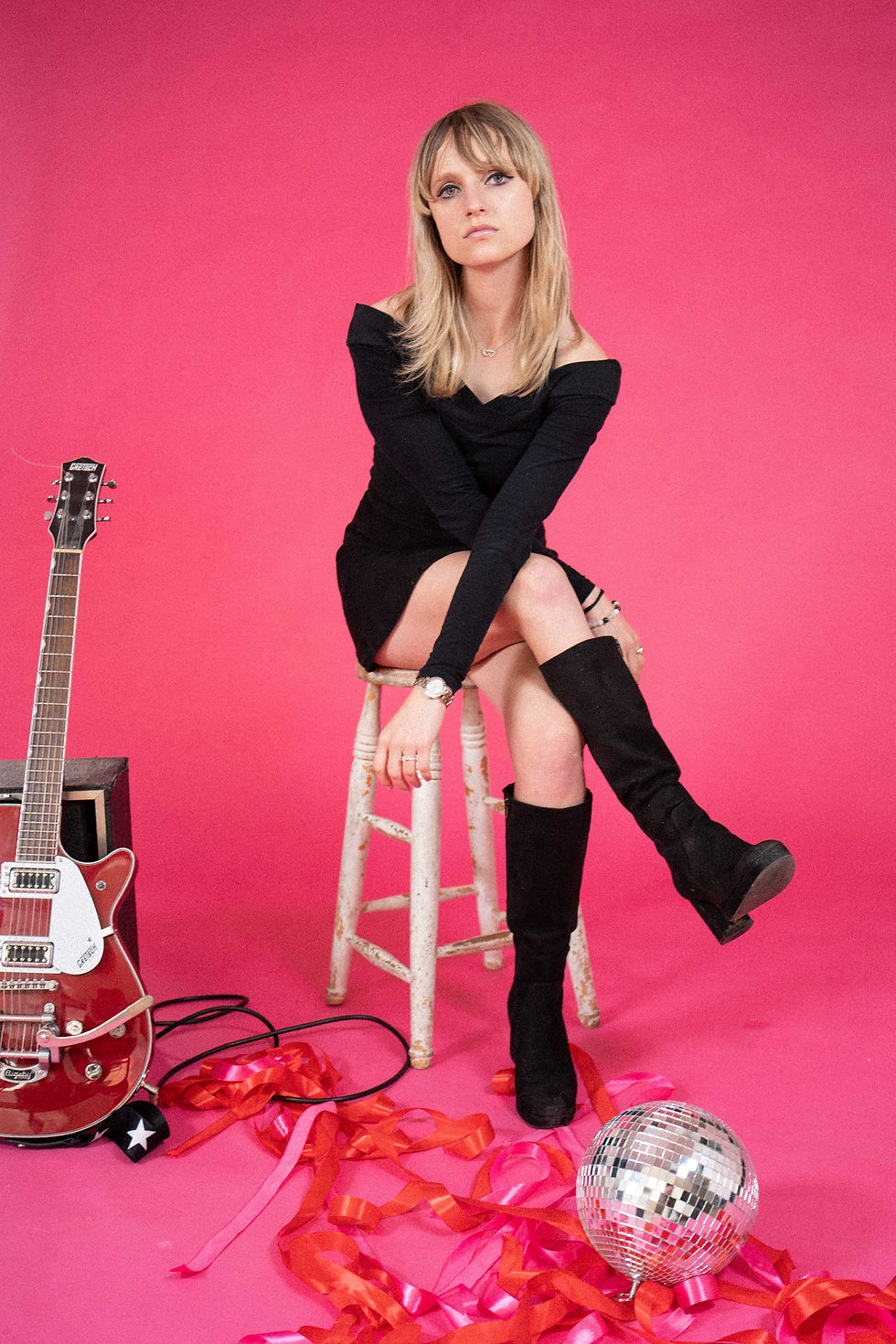
1.“Cinnamon” opens up like a fresh page in your story, sparkling with cinematic synths and those irresistible hooks that capture the rush of love transforming your sense of self. Can you share what first ignited the spark for this track, and what kind of emotional landscape you set out to create?
I was really interested in exploring the topic of love from a slightly different perspective. Rather than writing about it as something that's either completely good or completely bad, I wanted to look at how a really deep connection with someone can bring out both the best and the darkest parts of yourself. Sometimes the people who change you the most are also the people who make you confront the parts of yourself you'd normally push down.
That idea of opposites runs through the whole song. Even the title, Cinnamon, came from that. Cinnamon isn't actually sweet, but we always associate it with sweet things. There are little moments throughout the lyrics like "honey-coated medicine" and references to darkness and light that all play into the same idea. I liked the thought that the good can make you face the bad, and sometimes it's through facing the bad that you find something good. That's really what the song is about for me.

2. You’ve mentioned that “Cinnamon” draws inspiration from those rare people who inspire you to grow and see the world in a brighter light. How did you channel that sense of hope, transformation, and surprise into the sonic textures and production choices on this track?
I wanted the production to feel like it was constantly opening up. I spent a lot of time thinking about contrast when we were making Cinnamon. The verses are really stripped back, almost like they're holding something back, whereas the chorus opens up into these bigger synths and a much wider, more cinematic sound. That shift felt really important because it mirrors the idea of moving from darkness into light and that feeling of gradually opening yourself up to someone.
I wanted the production to tell the same story as the lyrics, so rather than everything being at one level, the song has moments that feel intimate before expanding into something much bigger. By the time you get to the bridge, I really feel like you get this sense of release, like everything that's been building throughout the song finally comes together. I love that feeling of a song surprising you as it grows, and that was something I really wanted to try and capture with Cinnamon.

3. Your music balances classic synth-pop nostalgia with a very modern indie-pop edge, drawing from artists like Tame Impala, Japanese Breakfast, The Weeknd, David Bowie, Blondie, and Fleetwood Mac. What drew you to those influences while still carving out your own sound artistry that feels distinctly yours?
I always think people are a little surprised when I mention artists like David Bowie and Blondie as influences, but those are genuinely the artists I grew up with. They were always playing around me, so that classic songwriting and that sense of character in music has naturally become part of how I approach making songs.
I think the thing that connects all of those artists for me is that they understand the importance of a great song. Whether it's the songwriting, the production, or the way they create a whole world around the music (especially Bowie!), they've all made records that feel really timeless.
I've always been drawn to that balance between nostalgia and something that feels fresh. I love the warmth and character of classic synth-pop and '70s/'80s songwriting, but I also love modern artists who take those influences and twist them to make them sound new. That's something I’m always trying to do with my own music. Take those familiar sounds and textures but put them into a more modern indie-pop setting.
I think my sound has naturally come from combining those influences with my own experiences and the way I write. At the heart of it, I'm always chasing that feeling of a song that feels instantly familiar but still has something different about it.

4. Bonus Question: What does Produced by a Girl mean to you?
To me, Produced by a Girl is really about ownership and trusting my own creative vision. I think there can still be an assumption that women are mainly the vocalist or the face of a project, rather than the person shaping the sound behind the scenes. For me though, it’s a reminder that I’m involved in every part of the process, from writing and production through to all the little details that make a song feel like mine.
This year especially, I’ve really been focusing on developing my production skills. I’ve been taking online classes and spending a lot more time learning how to get the sounds I hear in my head into the music. There’s something really exciting about having an idea for a song and now feeling more confident in knowing how to actually bring that idea to life.
But beyond that, Produced by a Girl feels like a supportive community and making space for women to feel like they belong in production and the technical side of music. It’s about opening a door that maybe hasn’t always felt open, and showing that there’s a place for girls who want to be involved in every part of the creative process. I love that it’s become a space where people can share ideas, learn from each other and feel encouraged to experiment.
Connect with Liz Mann

Written by PBG Press Chief Editor, Mary Knoblock


Comments